It started with a well
Harrogate owes rather a lot to some fairly unpleasant-tasting water.
Long before the hotels, tea rooms, gardens and handsome stone buildings, this part of Yorkshire was a collection of small settlements on the edge of the Forest of Knaresborough. What changed everything was what came out of the ground.
Mineral-rich springs turned Harrogate into a destination. Visitors came to drink the water, bathe in it and, for several centuries, put considerable faith in its ability to make them better.
They needed somewhere to stay. Then somewhere to walk. Somewhere to eat. Somewhere to shop. And, eventually, somewhere to be entertained.
Much of the Harrogate we know today grew from there.
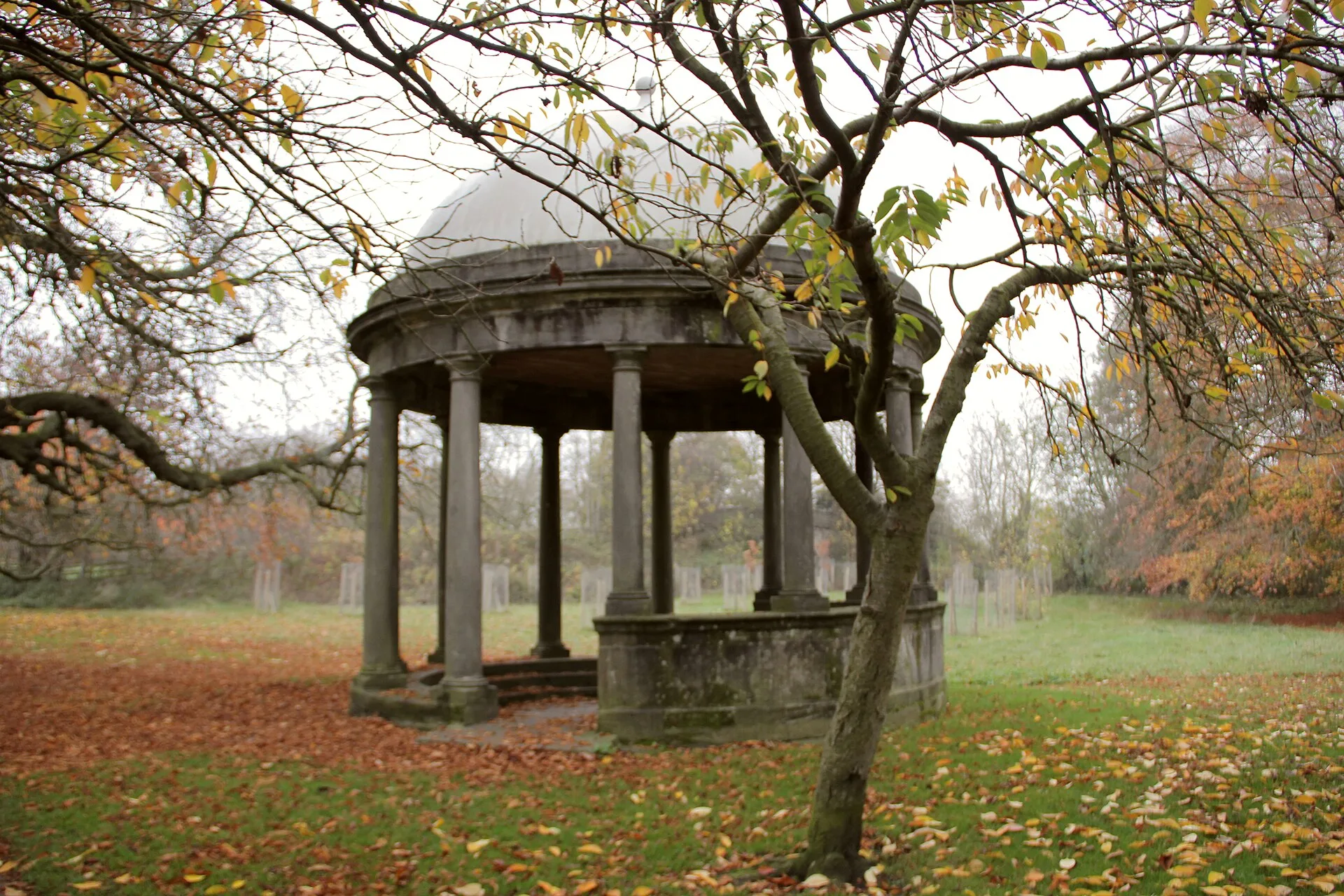
The traditional starting point for Harrogate's spa story is Tewit Well.
The iron-rich spring was discovered by William Slingsby in 1571. Its waters were later written about by physician Edmund Deane in Spadacrene Anglica in 1626.
It wasn't the only spring.
More were identified around what became High and Low Harrogate, with both iron-rich and distinctly less appetising sulphur waters attracting attention. The geology beneath the town eventually produced an extraordinary concentration of mineral springs.
For visitors who believed in the health benefits of "taking the waters", that made Harrogate increasingly difficult to ignore.
You can still find Tewit Well today. It's an easy piece of Harrogate history to walk straight past without realising quite how important it is.
Taking the waters became serious business
By the 18th and particularly the 19th century, spa-going wasn't simply about drinking mineral water.
It was part health treatment, part holiday and part social scene.
As Harrogate's reputation grew, increasingly grand buildings appeared to serve the people arriving for "the cure". Visitors needed accommodation, places to meet and somewhere to spend their time between treatments.
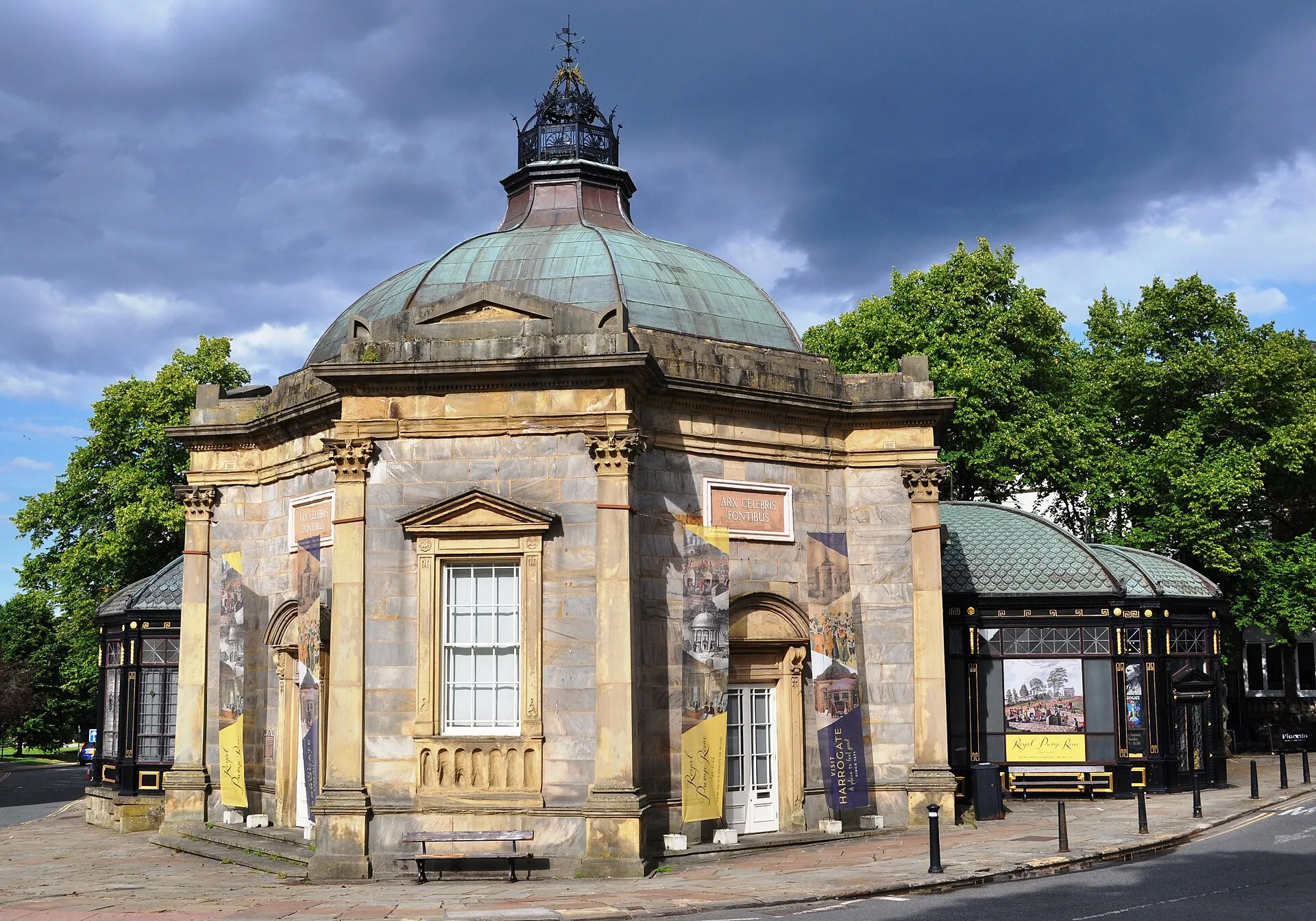
The Royal Pump Room is perhaps the clearest surviving symbol of that period.
Built in the 1840s over the Old Sulphur Well, it provided shelter for visitors taking the waters. At the height of Harrogate's popularity as a spa, thousands of people passed through during the season.
The building became a museum in 1953 and still contains the Old Sulphur Well beneath it.
And yes, the smell is part of the experience.
Why Harrogate has so much green space
There's another part of modern Harrogate whose history makes more sense once you understand the spa.
The Stray wasn't simply a very generous bit of town planning.
As Harrogate developed, access between its scattered mineral wells mattered. The Great Award of 1778 protected 200 acres from enclosure, preserving open land around the growing spa town.
That legacy remains remarkably visible today.
The great stretches of grass wrapping around the south and east of the centre aren't a park in the conventional sense. They're one of the reasons Harrogate still feels unusually open for a town of its size.
And, more than two centuries later, it remains 200 acres.
Harrogate gets grander
Success brought investment.
Hotels expanded. Promenades and gardens developed. Visitors expected more elaborate surroundings and increasingly sophisticated treatments.
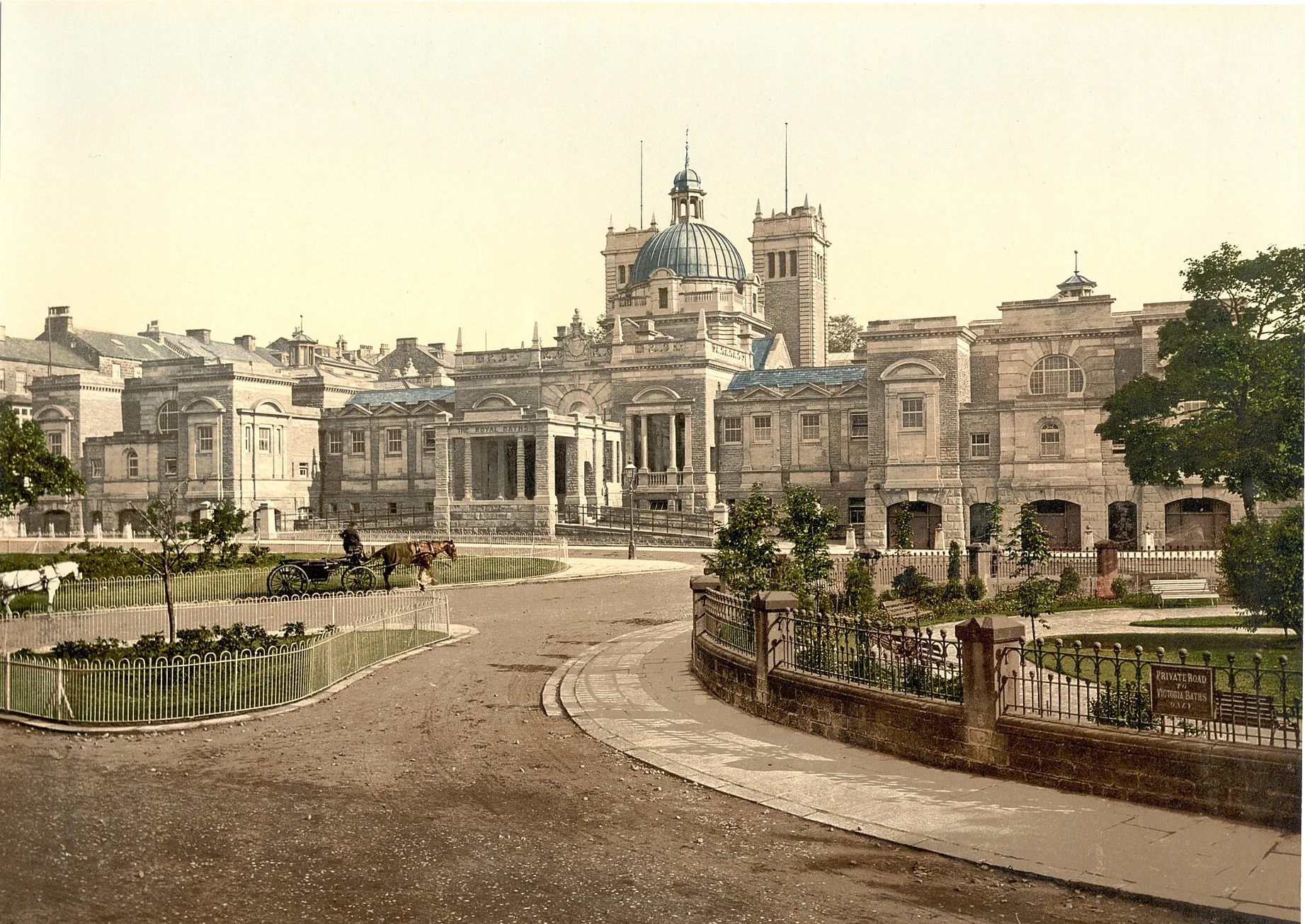
The Royal Baths, built between 1894 and 1897, represented Harrogate approaching the height of its confidence as a spa destination. They became one of Europe's leading destinations for spa treatment, attracting royalty, politicians and wealthy visitors.
This was no longer a Yorkshire town with a few interesting wells.
Harrogate had built an industry around health, leisure and hospitality.
Look around Montpellier and the buildings still tell much of that story.
Then Harrogate built somewhere to have fun
People coming for weeks of treatments also needed entertaining.
Enter the Kursaal.
Opened at the beginning of the 20th century, the building we now know as the Royal Hall borrowed an idea familiar in continental European spa towns: an impressive entertainment complex sitting alongside the more serious business of taking the waters.
Architect Robert Beale won the original design competition, but celebrated theatre architect Frank Matcham substantially reshaped the scheme and designed its lavish interior.
The German name Kursaal became rather less fashionable during the First World War, and it became the Royal Hall.
After serious structural problems forced its closure, the building underwent a major restoration and reopened in 2008.
It's still a working venue — but look beyond the stage and it's also one of the best surviving pieces of Harrogate's spa-town story.
The cure wasn't confined to buildings
The gardens mattered too.
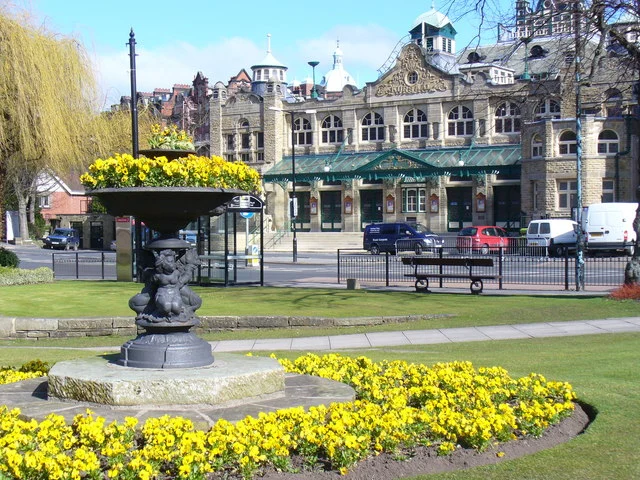
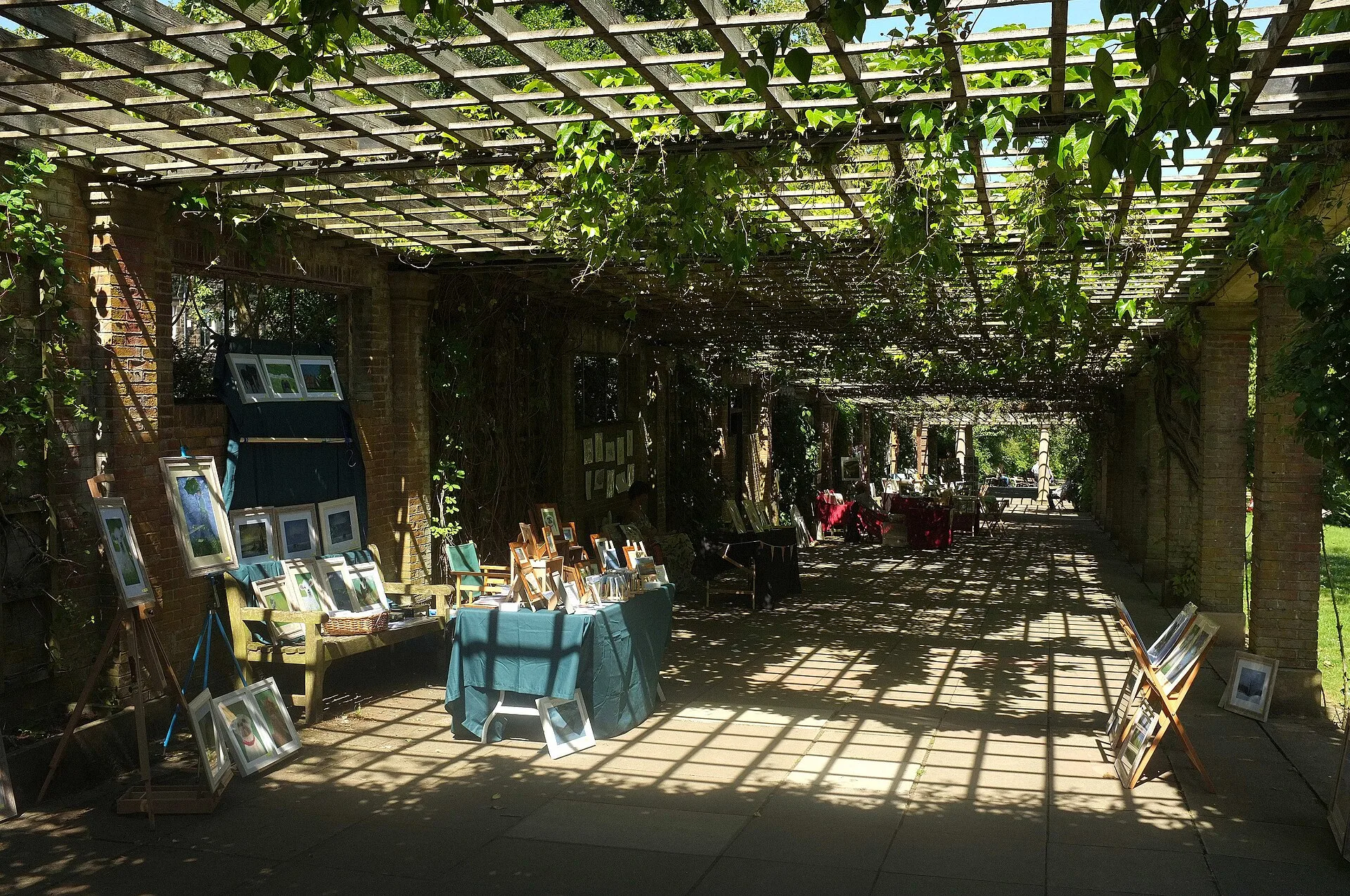
Valley Gardens developed around Bogs Field, an area containing a remarkable concentration of mineral springs. Walking, fresh air and gentle exercise were themselves part of spa culture.
That continued well into the 20th century.
The Sun Pavilion and Colonnade opened in 1933 as part of another major spa development. The colonnade allowed people to exercise under cover while taking advantage of fresh air and sunlight, then considered an important part of the wider health regime.
Today you can walk through Valley Gardens without thinking about any of this.
Which is perhaps what makes it interesting: much of Harrogate's spa infrastructure has simply become part of everyday Harrogate.
The railway changed the scale of things
Harrogate's growth wasn't powered by water alone.
Transport made the spa much easier to reach.
The present railway station opened in 1862, bringing services together at a much more convenient central location.
That mattered.
A fashionable resort becomes considerably more useful when visitors can get there relatively easily from the rapidly growing cities around it.
Harrogate's hotels became larger and grander. The town increasingly catered not simply for people seeking treatment, but for people who came because Harrogate itself had become somewhere to be.
And then Agatha Christie disappeared
One episode gave Harrogate an unexpected place in literary history.
In December 1926, Agatha Christie disappeared.
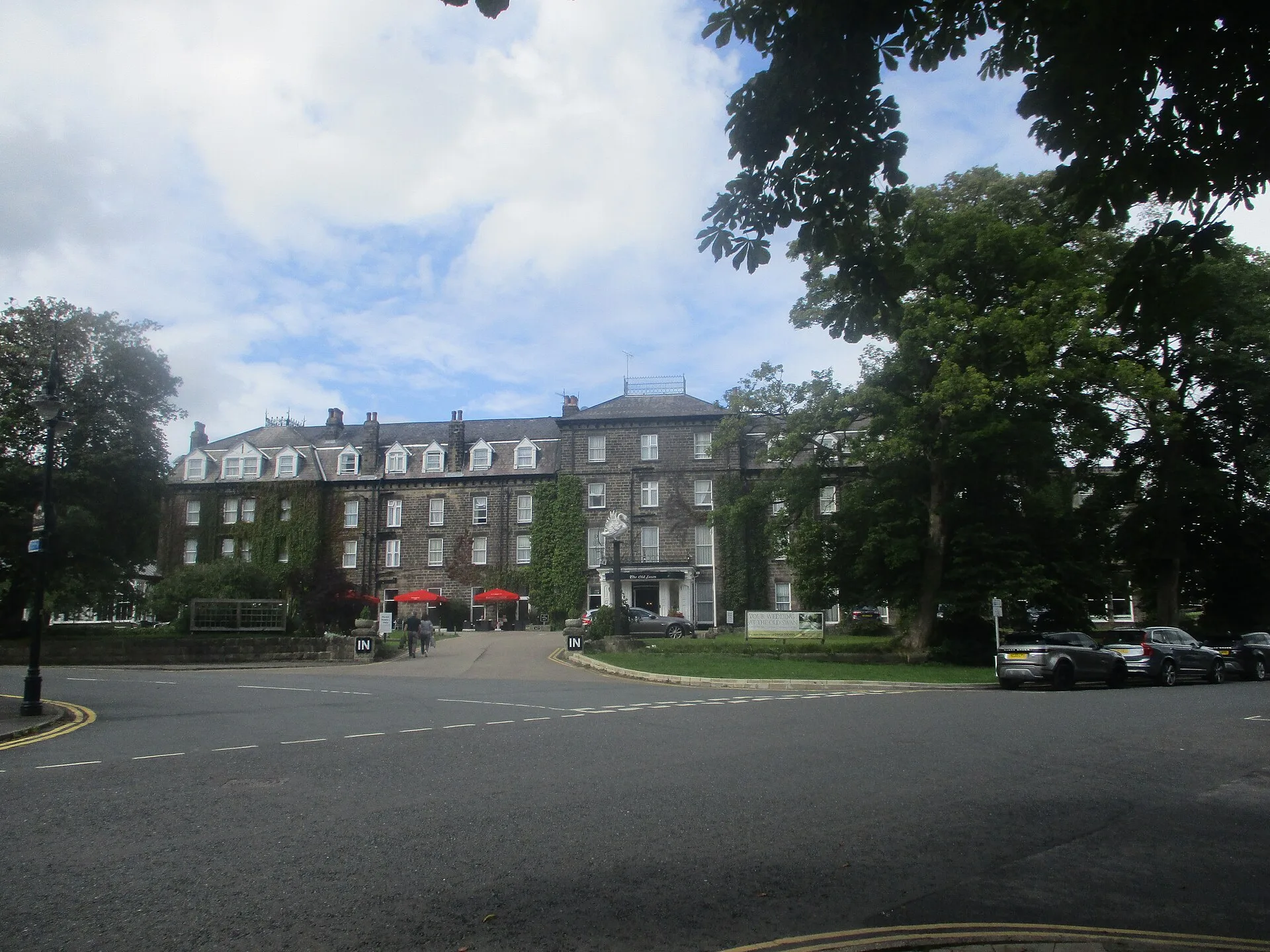
Her abandoned car was found in Surrey and a huge search followed. Eleven days later, she was discovered alive in Harrogate, where she had been staying at what was then the Swan Hydropathic Hotel under the name Mrs Teresa Neele. The hotel is now the Old Swan.
Exactly why Christie disappeared remains disputed, and she never provided a definitive public explanation.
But Harrogate's role in the story isn't disputed.
More than three centuries after visitors first began coming here for the waters, one of the world's most famous writers had chosen a Harrogate spa hotel as the place to vanish.
There's a much bigger story here, and we'll come back to it.
What happened to the spa?
Eventually, medicine moved on.
The idea of travelling somewhere for weeks to drink sulphur water and undergo elaborate hydrotherapy treatments became increasingly difficult to sustain.
After the Second World War, Harrogate's traditional spa industry declined. The Pump Room found a new purpose as a museum, while medical spa treatments eventually disappeared from the Royal Baths.
But Harrogate didn't disappear with them.
It adapted.
Conferences and exhibitions became increasingly important. Hotels continued to bring visitors. The shops, restaurants, gardens and cultural venues that had developed around generations of spa visitors gave the town another reason to exist as a destination.
And the spa didn't completely vanish either.
The Turkish Baths remain in use. The Pump Room tells the story. The wells are still beneath our feet.
The spa town hiding in plain sight
That's perhaps the best way to understand Harrogate today.
The spa isn't simply a chapter of its history.
It's in the layout of the town.
It's why there's a Pump Room and a Royal Hall. Why Montpellier looks the way it does. Why grand hotels appeared. Why Valley Gardens developed around mineral springs. Why 200 acres of open Stray still wrap around the town.
Even Harrogate's long association with hospitality, leisure and making rather a lot of effort over a nice afternoon has deep roots.
The treatments changed. The visitors changed.
But more than 450 years after people first began paying serious attention to the water coming out of the ground, Harrogate is still living with what happened next.
Places in this guide
Recommendations here are editorial. Where a place is a paying partner it is labelled. Advertising disclosure.